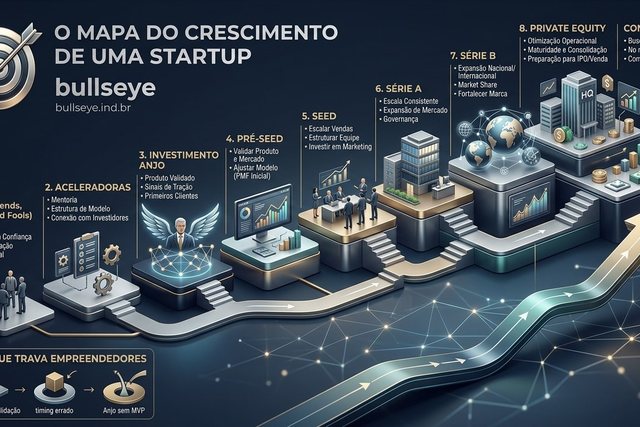
Founder vesting agreement: what it is, how the cliff and vesting period work, how to apply it between startup partners and what to check before signing.
Three friends found a logistics startup. Each gets a third of the shares. Eight months later, one of them receives a job offer and leaves day-to-day work, but remains the owner of 33% of the company. The other two keep working twice as hard, and every investor who looks at the cap table asks the same question: why does someone who is no longer in the company hold such a large stake?
The founder vesting agreement exists to prevent this kind of situation. It makes each partner's stake something earned over time, according to the commitment and deliverables agreed, rather than received all at once on day one.
What is a founder vesting agreement
Vesting means the gradual acquisition of a right. In practice, a vesting agreement establishes that a person, whether a founding partner, an executive or a key employee, acquires their stake in the company little by little, as they complete an agreed period or goals.
The model was born in US startups and spread around the world, including Brazil, because it solves a real problem: at the beginning, no one knows whether all the partners will stay committed for years.
How it works: vesting period, cliff and acceleration
Vesting agreements usually share a few elements:
- Total period. The time over which the stake is earned. A very common format is four years.
- Cliff. An initial period, usually one year, during which nothing vests. If the person leaves before the cliff, they take no stake. On reaching the cliff, they receive at once the portion for that year.
- Periodic vesting. After the cliff, the rest vests gradually, monthly, quarterly or yearly.
- Goals. Besides time, the agreement may set revenue, product or fundraising goals.
- Acceleration. A rule that brings vesting forward in specific situations, such as the sale of the company.
Back to the example: with four-year vesting and a one-year cliff, the partner who left at eight months would take no stake, or only what the agreement provided for. The company would be clean to welcome the next partner or investor.
Vesting in a Brazilian limited liability company
Many Brazilian startups start as limited liability companies (sociedade limitada), which have no built-in option mechanism like that of corporations. For this reason, vesting is usually structured with other instruments, such as:
- A shareholders' agreement with vesting clauses and exit rules.
- A call or put option agreement on shares, which allows the remaining partners to buy back the stake of the one who leaves.
- A stock option plan, used more often when the company is already a corporation (sociedade anônima).
It is also common to define what happens in each type of departure. Someone who leaves by choice or for serious misconduct (the so-called bad leaver) may face harsher buyback terms than someone who leaves for a fair reason, such as illness (the good leaver).
When vesting is offered to employees and executives, labor and tax issues also come into play. That is why it is worth working with a lawyer experienced in startups to choose the right format.
Why vesting is a good strategy for founders
It may seem that vesting only protects the investor, but the main beneficiaries are usually the founders themselves:
- It protects those who stay. If a partner leaves early, their stake returns to the company or to the other partners.
- It aligns commitment. Everyone knows from the start that the stake depends on dedication.
- It makes it easier to bring in investors. A cap table without "ghost partners" is a plus when raising money. Investors often ask for founder vesting as a condition of the round; having it ready avoids negotiating under pressure. We say more about this in strategies to negotiate investment safely.
- It makes room for new talent. The company can attract executives and key people by offering equity, without paying salaries that the cash flow cannot yet support.
- It reduces conflict. Rules agreed at the start avoid difficult discussions along the way.
What to check before signing
- Agree at the start. It is much easier to settle vesting when everyone is excited than after the first conflict.
- Be fair to the history. A founder who has already worked two years on the project may start with part of the stake already vested.
- Define the buyback price. Nominal value, book value or market value: each option has consequences.
- Write down the exit rules. Good leaver, bad leaver, death, disability and the sale of the company must be covered.
- Choose your partners well. No contract replaces choosing the right people, as we show in the article the right partner can define the success of a business.
Conclusion
A founder vesting agreement is simple in concept and powerful in effect: the stake is earned with time and work. For founders, it is a way to protect the company and their own effort. For investors, it is a sign that the partnership was designed with maturity. Agreed early and with proper legal advice, it keeps the departure of a partner from becoming the end of the startup.
Frequently asked questions
What is a vesting agreement?
It is an agreement in which a stake in the company is acquired gradually, as the person completes an agreed period or goals. It is widely used between founding partners and with startup executives.
What is a cliff in vesting?
It is the initial period, usually one year, during which no stake vests. If the person leaves before the end of the cliff, they take no stake.
Does vesting work in a Brazilian limited liability company?
Yes. In a limitada, it is usually done through the shareholders' agreement and call or put option agreements on shares.
Is vesting required to receive investment?
It is not required by law, but many investors ask for founder vesting as a condition of the round.
What is the most common vesting period?
A very common format is four years with a one-year cliff, but the period can be adjusted to each company's reality.
Are you setting up your startup's partnership or getting ready to bring in an investor? Bullseye connects founders, investors and strategic partners. Talk to us.