What defines a startup is the business model, not the industry.
Does a startup necessarily have to be a technology company? There is a very strong myth in the market: to be considered a startup, a company has to be in technology. But the truth is that this is not a rule.
What really defines a startup?
A startup is not defined by the industry it operates in, but by its business model. Put simply, it is a company created to:
- Grow quickly
- Operate under conditions of uncertainty
- Pursue a scalable and repeatable model
The focus is not on the product itself, but on the capacity for accelerated growth.
Why are so many startups technology companies?
Technology is not a requirement — but it is an enabler. Digital companies can scale much more easily. A piece of software can be sold to thousands of customers without costs increasing proportionally.
Startups outside technology: do they exist?
Yes — and more than you might imagine. There are startups in manufacturing, agribusiness, logistics, education, healthcare and energy. What sets them apart is not the segment, but the way they operate and grow.
The role of innovation
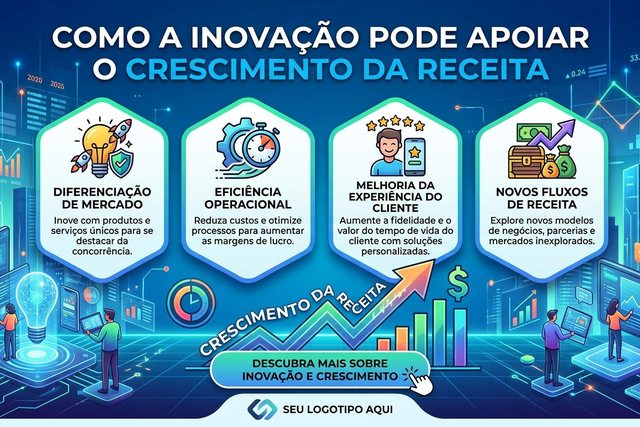
Startup is not a synonym for revolutionary invention. Innovating can mean creating a new business model, drastically improving a process, serving a market more efficiently or applying something that already exists in a new context.
Conclusion
Not every startup is a technology company — and not every technology company is a startup. What defines a startup is its ambition to grow, its scalable model and its ability to operate under conditions of uncertainty.